Water Damage Restoration PlanoPlano, TX(972) 945-2118

Burst and Frozen Pipe Water Damage Cleanup in Plano, TX

A burst pipe can put hundreds of gallons into a house before anyone finds the shut-off. In North Texas it usually happens in the coldest nights or the first warm morning after, when ice in a cracked pipe melts and water flows again. Shut off the main now. Then call us to extract the water and dry the walls, ceilings and floors it reached, including the ones you can't see.

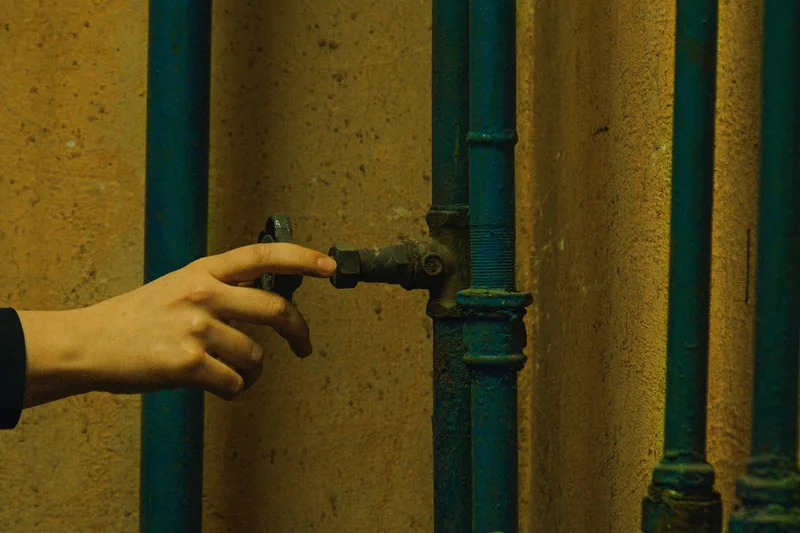
Hand turning a valve on indoor water pipes
  • Local technicians
  • Written scope
  • Moisture monitoring
  • 24/7 emergency response

Pipe Burst? Do These Things First

  • Shut off the main water. Look in the garage, near the water heater, or in a flowerbed box by the front wall. If you can't find it, use the valve in the City of Plano meter box at the curb with a meter key or large wrench. Our guide to finding your shut-off valve shows where to look.
  • Open a faucet on the lowest floor to drain the remaining water out of the lines.
  • Shut off power to wet rooms at the breaker. Don't step into standing water near outlets or appliances.
  • Turn off the water heater if the house supply is off for long: gas to "pilot," or the breaker off for electric.
  • Move belongings out of the water and lift furniture off wet floors.
  • Photograph everything, including the broken pipe if you can see it.
  • Call a plumber to fix the pipe and call us for the water. After a freeze, plumbers get booked fast, but the drying can start as soon as the water is off.
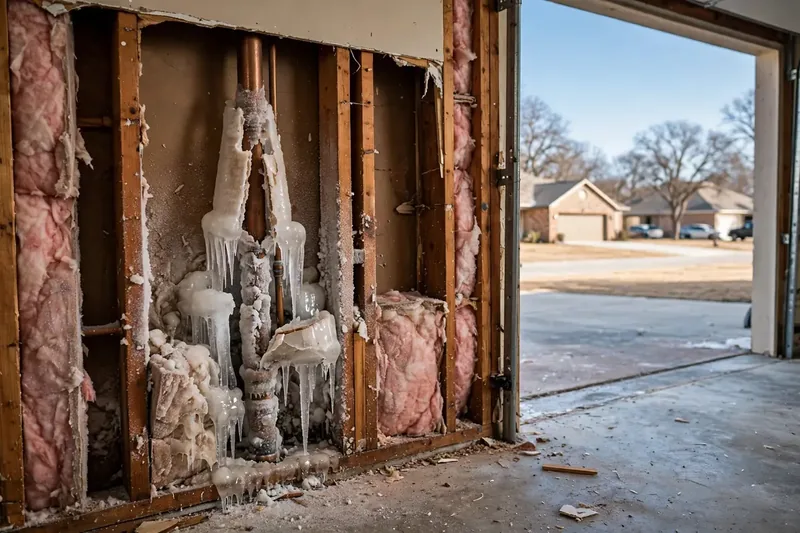
Frozen pipe with ice in a garage wall cavity

Where Pipes Burst in Plano Homes

North Texas houses are built for heat, not long freezes. Supply lines often run where cold air reaches them easily:

Water expands when it freezes. Pressure builds between the ice and a closed faucet until the pipe splits, often somewhere other than where it froze. PEX handles freezing better than copper, but it can still fail at fittings.

  • Exterior walls, especially on the north side and behind kitchen and bathroom sinks
  • The attic, where lines to upstairs bathrooms and the water heater run over the ceiling insulation
  • The garage, including laundry lines and tankless water heaters on exterior walls
  • Outdoor hose bibs and the pipe just inside the wall behind them
  • Sprinkler system backflow preventers and pool equipment outside
  • Under sinks on exterior walls, behind closed cabinet doors
What Winter Storm Uri Taught Plano

In February 2021, Winter Storm Uri brought days below freezing and long power outages. At the peak, roughly 50,000 Plano homes were without power, and with no heat, pipes froze even in interior walls. The worst flooding came days later, as temperatures climbed and water flowed back through pipes that had cracked while frozen. Plumbers across DFW were booked for weeks.

The lessons that matter for the next freeze:

Our Plano winter freeze checklist covers the full prep list.

  • Damage often shows up after the thaw, not during the cold.
  • Losing power is what turns a cold night into burst pipes, because the house loses heat.
  • Knowing your shut-off before it happens saves the most damage.
  • Dripping both hot and cold faucets and opening sink cabinets help keep pipes above freezing.

Signs a Pipe Is Frozen or Has Burst

Frozen, not burst yet:

If a pipe is frozen but not leaking, open the faucet it feeds and warm the area gently with a hair dryer or space heater kept at a safe distance. Never use an open flame.

  • A faucet gives only a trickle, or nothing, on a freezing morning
  • Frost on an exposed pipe in the garage or attic
  • A toilet won't refill

Burst, or about to show it:

  • Water dripping from a ceiling, light fixture or vent after the thaw
  • Wet drywall or bubbling paint on an exterior wall
  • The sound of running water with every tap closed
  • The water meter spinning when nothing is on
  • A puddle in the garage or around a hose bib
  • Water pressure suddenly drops throughout the house
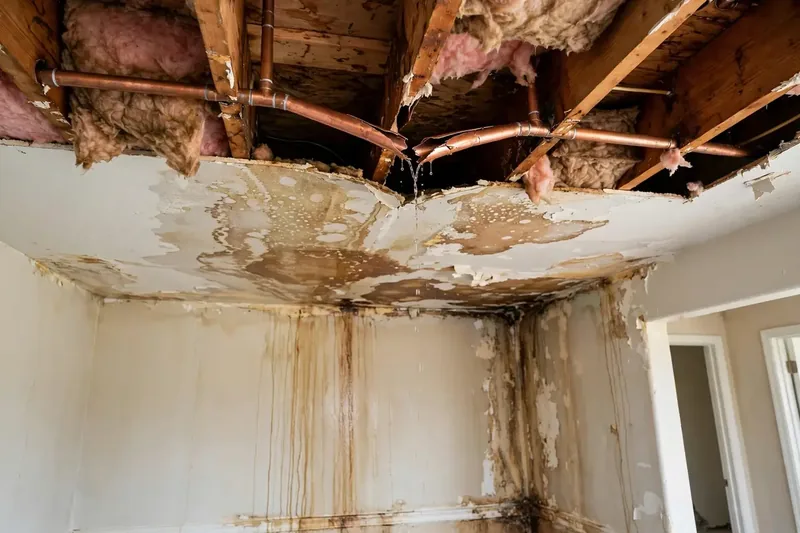
Split copper pipe in a ceiling with water damage below

After the Thaw: Check These Places

Cracks often stay hidden until water flows again. Once temperatures rise, walk the house and check:

If something feels off but you can't see water, moisture mapping finds wet areas behind walls and ceilings without opening them.

  • Ceilings under bathrooms and under attic pipe runs
  • Walls behind kitchen and bathroom sinks on exterior walls
  • The garage ceiling and walls around laundry and water heater lines
  • Floors and baseboards along exterior walls
  • Outside hose bibs, the sprinkler backflow preventer and pool equipment

How We Clean Up After a Burst Pipe

Water from a burst supply pipe starts clean. Left for a day or two in a warm house, it picks up bacteria from carpet, drywall and the slab, which changes what can be saved. Starting quickly matters.

  • Confirm the water is off and make sure power to wet areas is safe.
  • Extract standing water from carpet, pad and hard floors. See water extraction.
  • Map the moisture in walls, ceilings and floors so nothing wet gets missed.
  • Remove what can't be saved: soaked carpet pad, crumbling ceiling drywall, and wet insulation inside walls. Drywall wet only at the bottom gets a short flood cut, not a full replacement.
  • Dry the structure with dehumidifiers and air movers sized to the space; see structural drying.
  • Save floors where possible. Hardwood gets drying mats; see hardwood floor water damage. Carpet is often saved when the water was clean and caught quickly; see wet carpet drying.
  • Monitor and document daily until readings match dry areas of your home.

What Can Be Saved After a Burst Pipe

MaterialUsually saved when...Usually replaced when...
CarpetClean water, dried within a day or twoWater sat for days, or pad is soaked through
Carpet padRarelyUsually replaced after a burst pipe
DrywallDamp at the bottom only, firmSoaked, crumbling, or wet insulation behind it
HardwoodCaught early, dried with matsBoards stay cupped after drying
CeilingsFirm and only dampSagging or stained through
CabinetsSolid wood, dried from the baseSwollen particleboard

Insurance After a Burst or Frozen Pipe

A sudden burst is one of the most common water claims in Texas, and many homeowners policies treat it differently from slow leaks. Some policies have conditions about frozen pipes, for example requiring reasonable heat to be kept in a home you're away from. Check your own policy. We document every wet area, reading and removed material from the first day. See sudden vs. gradual water damage in Texas.

How to Keep Pipes From Freezing Next Time

  • Know where your main shut-off is and keep a meter key in the garage
  • Disconnect garden hoses and cover hose bibs before a freeze
  • Insulate pipes in the attic, garage and along exterior walls
  • Drip both hot and cold taps on the coldest nights and open sink cabinets on exterior walls
  • Keep the thermostat set day and night during a freeze, even if you're away
  • Shut off and drain the sprinkler system and protect the backflow preventer

Burst Pipe Cleanup Across Plano

We also cover West Plano, North Plano, Frisco, McKinney, Murphy and Wylie. See water damage restoration in Plano for everything we handle.

  • East Plano and Downtown: older homes with less insulation and some pier-and-beam houses where pipes run through a cold crawl space.
  • Central Plano: 1970s to 1990s homes with supply lines in exterior walls and attics.
  • Allen: two-story homes with attic lines over bedrooms.
  • Richardson: older neighborhoods and apartment buildings where one burst can reach several units.

Burst Pipe FAQs

Pipe Burst in Your Plano Home?

Shut off the main and call (972) 945-2118. We'll start removing water and drying while your plumber handles the repair.