Water Damage Restoration PlanoPlano, TX(972) 945-2118

Plano Winter Freeze Checklist: How to Protect Your Pipes

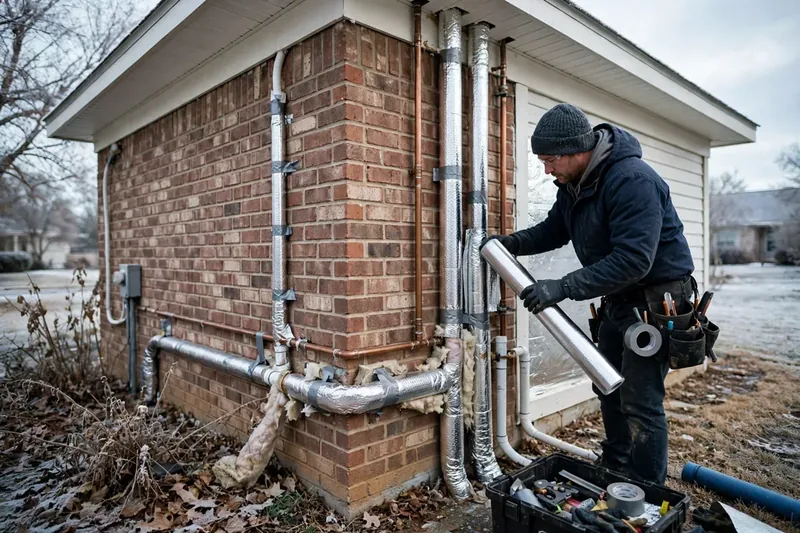
Exterior wall pipes with insulation wrap in winter
  • Local technicians
  • Written scope
  • Moisture monitoring
  • 24/7 emergency response

North Texas homes are built for heat, not long freezes. Pipes run through exterior walls, attics and garages with little insulation, so a few nights in the teens, or a power outage during a cold snap, can split them. The prep takes an afternoon. This checklist covers what to do before a freeze, during it, if a pipe freezes, and after the thaw, when most of the flooding actually happens.

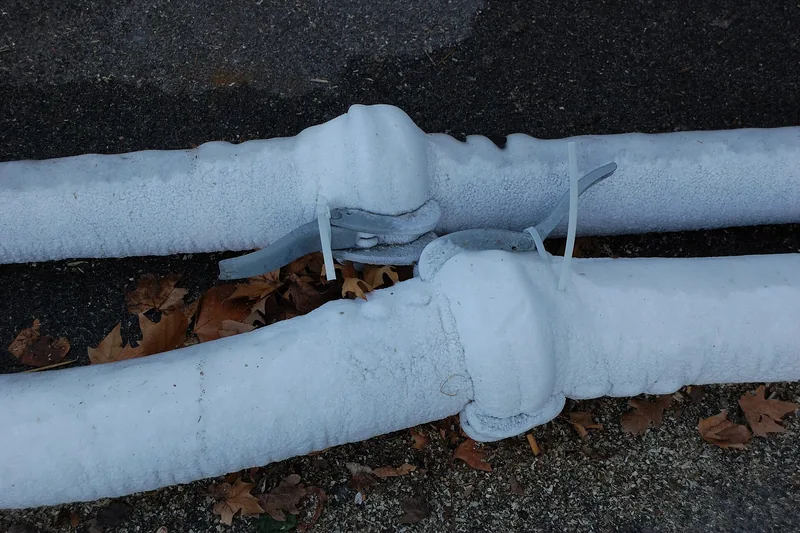
Frozen pipes

Lessons From Winter Storm Uri

In February 2021, Winter Storm Uri brought days of sub-freezing temperatures to North Texas. At the peak, about 50,000 Plano homes lost power, and without heat, pipes froze even in interior walls. The city asked residents to conserve water as burst pipes drained the system, and plumbers across DFW were booked for weeks. The biggest lessons:

  • Power outages turn cold nights into burst pipes, because the house loses its heat
  • The worst flooding comes during the thaw, when water flows back through cracked pipes
  • People who knew where their shut-off was had far less damage
  • Prep done days ahead is what makes the difference
Before the Freeze: Outside

  • Disconnect and drain garden hoses
  • Cover hose bibs with insulated faucet covers
  • Shut off and drain the irrigation system; insulate or cover the backflow preventer
  • Protect pool equipment and keep the pool pump running if your equipment's freeze protection requires it
  • Insulate exposed pipes along the outside of the house
  • Clear gutters so melting ice and snow can drain away from the foundation
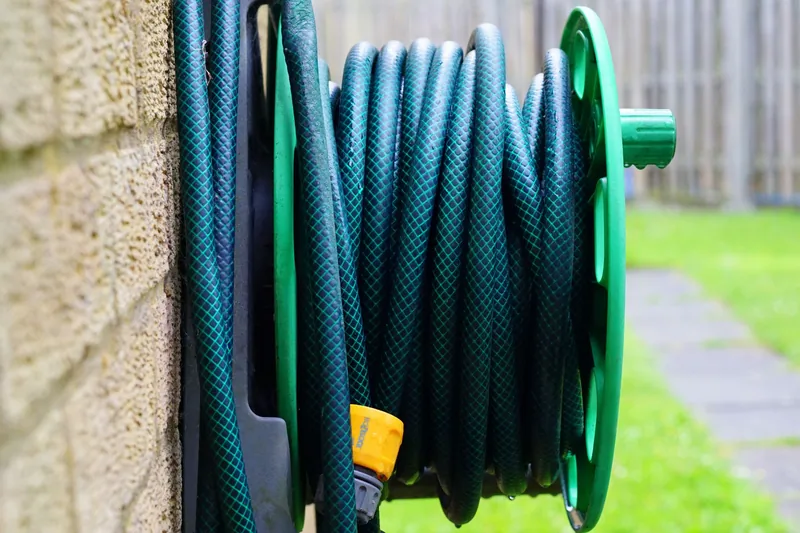
Garden hose coiled on a reel against a brick wall

Before the Freeze: Garage and Attic

  • Insulate pipes in the garage, especially laundry lines and lines to the water heater
  • Protect a tankless water heater on an exterior or garage wall; check the manufacturer's freeze guidance
  • Keep the garage door closed during the freeze
  • Check attic pipes over bedrooms and bathrooms for missing or thin insulation
  • Seal drafts where pipes enter exterior walls

Before the Freeze: Inside

  • Find your main water shut-off and make sure it turns; see where to find your shut-off valve
  • Put a meter key and adjustable wrench in the garage
  • Know where your water heater's cold-water valve is
  • Identify sinks on exterior walls; these are the ones to drip and open
  • Plan for a power outage: blankets, a safe heat plan, and how you'll drain the pipes if heat is lost for a long time
  • Save the numbers for a plumber and a water damage company in your phone

During the Freeze

DoWhy
Drip both hot and cold taps on sinks along exterior wallsMoving water is harder to freeze, and hot lines often freeze first
Open cabinet doors under those sinksLets warm room air reach the pipes
Keep the thermostat at the same temperature day and nightLetting the house cool overnight is when pipes freeze
Keep the garage door closedProtects garage pipes and the water heater
Don't leave town with the heat offA vacant, cold house is the highest-risk case
Check faucets each morningA trickle or no flow can mean a pipe is freezing

If the Power Goes Out

A long outage is when Plano homes get the worst damage. If heat is out for many hours and temperatures stay below freezing:

  • Keep faucets dripping as long as water is flowing.
  • Keep interior doors and cabinet doors open to share remaining heat.
  • Never use a gas oven, grill or generator indoors for heat; carbon monoxide is deadly.
  • If the outage will be long, consider shutting off the main and draining the lines by opening faucets on the lowest floor. Empty pipes can't burst.
  • Turn off the water heater if the water will be off for a long time.

If a Pipe Freezes

Signs of a frozen pipe: a faucet gives only a trickle or nothing, or a toilet won't refill.

  • Open the faucet the frozen pipe feeds, so melting water has somewhere to go.
  • Warm the pipe gently with a hair dryer, a heating pad or a space heater kept at a safe distance.
  • Start near the faucet and work back toward the frozen area.
  • Never use an open flame, torch or propane heater on a pipe.
  • If you can't reach or thaw it, call a plumber, and know where your shut-off is in case it bursts as it thaws.

After the Thaw: Where to Look

Most freeze flooding happens as temperatures rise and water flows through pipes that cracked while frozen. Walk the house and check:

If you find water, shut off the main and see what to do in the first hour after water damage. For water in ceilings, see water dripping from the ceiling.

  • Ceilings under bathrooms and under attic pipe runs
  • Walls behind kitchen and bathroom sinks on exterior walls
  • The garage around laundry and water heater lines
  • Baseboards and floors along exterior walls
  • Outside hose bibs, the irrigation backflow preventer and pool equipment
  • The water meter: if it's moving with everything off, water is going somewhere

Pier-and-Beam and Older Homes

Older homes near Downtown Plano and in parts of Richardson, Garland and McKinney often have pipes in crawl spaces or less insulated walls. Close crawl space vents for the freeze if your home has them, insulate exposed pipes under the house, and check underneath after the thaw. See crawl space water removal.

Apartments and Rentals

You may not control the building's pipes, but you can still drip faucets, open cabinets, keep your heat on, and report any loss of water pressure or leaks to maintenance right away. If water comes through your ceiling from the unit above, tell maintenance and document everything.

Frequently Asked Questions

Pipe Burst in the Freeze?

Call (972) 945-2118. We'll start extraction and drying while your plumber handles the repair. See our Plano water damage restoration page.