Water Damage Restoration PlanoPlano, TX(972) 945-2118

Sewage Cleanup and Sewer Backup Cleanup in Plano, TX

Sewage in the house isn't a mop-and-bleach job. Water from a backed-up drain or overflowing toilet carries bacteria and viruses into carpet, drywall and anything porous it touches. Keep people and pets out of the area. We remove contaminated materials, clean and disinfect every surface, then dry what's left, so the space in your Plano home is safe to use again, not just dry.

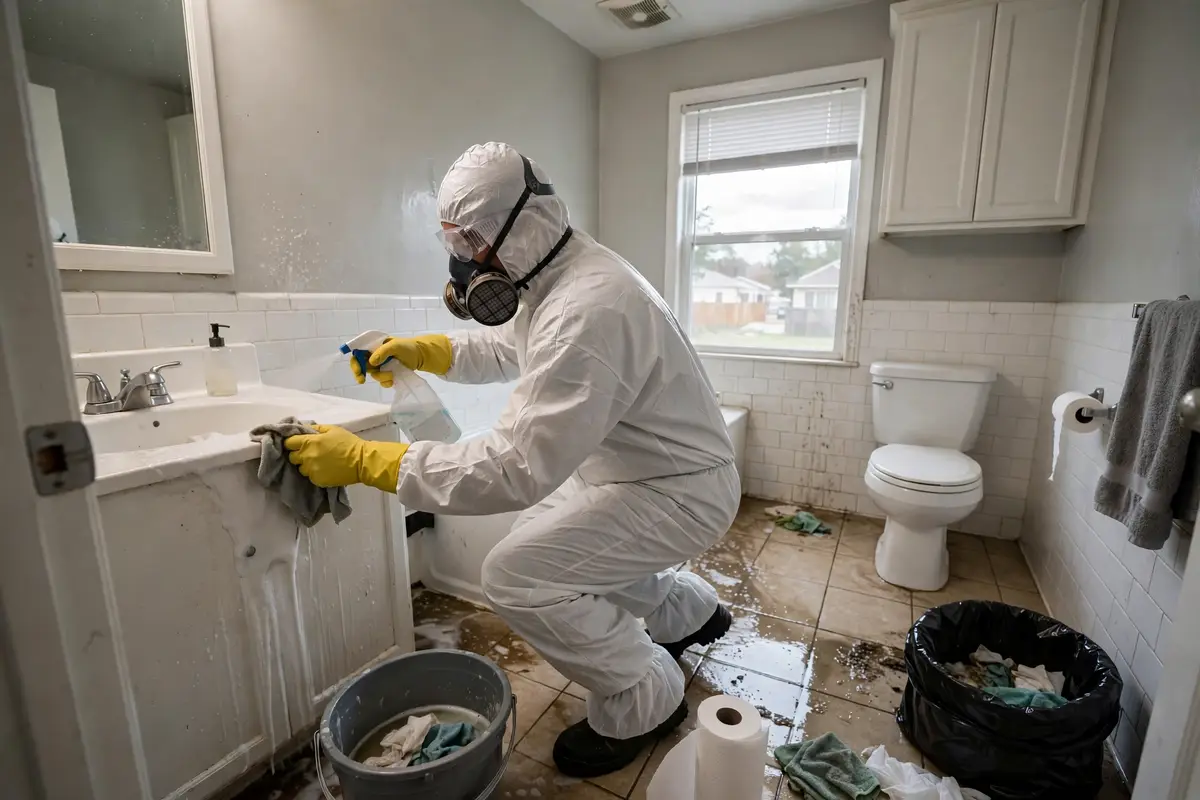
Technician in protective equipment cleaning after a sewage backup
  • Local technicians
  • Written scope
  • Moisture monitoring
  • 24/7 emergency response

What Counts as Sewage Water Damage?

Sewage water damage is any water in the home that contains or has touched human waste, from a toilet overflow with waste, a backed-up sewer line, or a floor drain pushing water up. The industry calls it Category 3 or black water, the most contaminated class, and it requires removal of porous materials and full cleaning, not just drying.

CategoryExampleHow it's handled
Category 1 (clean)Supply line, toilet tank waterUsually dried in place
Category 2 (gray)Washer discharge, toilet bowl overflow with urine onlyCleaned and dried; pad usually removed
Category 3 (black)Sewer backup, toilet overflow with waste, storm water from outsidePorous materials removed, surfaces cleaned and disinfected
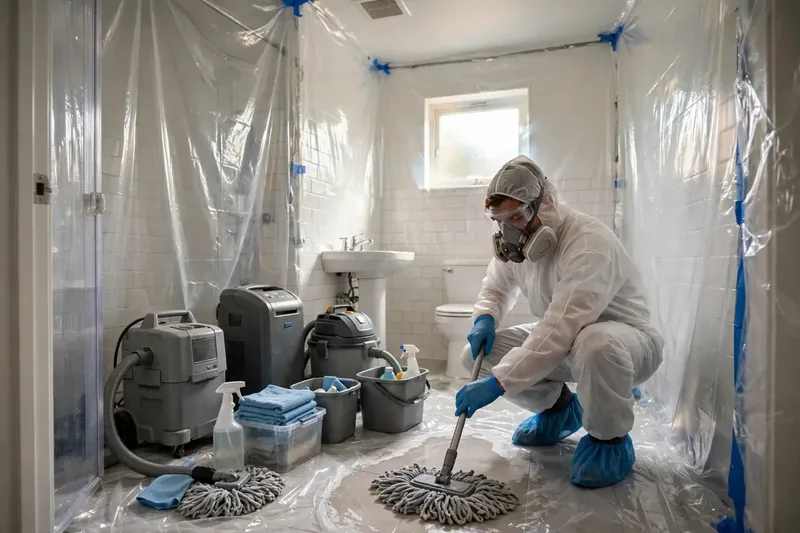
Technician in full protective equipment sanitising a bathroom after a backup

Sewage Backup? Do This Now

  • Stop using water in the house: no flushing, laundry, dishwasher or showers. Every drain feeds the same line.
  • Keep everyone out, especially children, pets and anyone with a weakened immune system.
  • Turn off power to affected rooms if water reaches outlets or cords.
  • Don't touch it without protection. If you must, wear rubber boots, gloves and eye protection, and wash thoroughly after.
  • Don't use household fans to dry the area; they can spread contaminated particles.
  • Call a plumber to clear the line, and call us to clean it up.
  • If neighbors also have backups, the problem may be in the city's main line; contact the City of Plano.

What Causes Sewage Backups in Plano Homes?

Most backups start with a blockage between your home and the city's sewer main. Common causes:

  • Tree roots that grow into older clay or cast iron sewer lines, common under mature trees in East Plano
  • Grease, wipes and paper products that build up in the line, even "flushable" wipes
  • Cast iron pipe that corrodes and develops rough, narrowed sections over decades
  • Shifting clay soil that cracks or bellies the line, creating low spots where waste collects
  • Heavy rain that overloads sewer systems and pushes water back through floor drains
  • City main blockages, which can back up into several homes on the same street

Why East Plano Sees More Sewer Backups

Homes in 75074 and around Downtown Plano are among the oldest in the city. Many still have original cast iron drain lines under the slab and clay sewer laterals in the yard, often under large pecan and oak trees. Roots, corrosion and soil movement over 50 or more years make backups more likely here than in newer West Plano subdivisions with PVC drains.

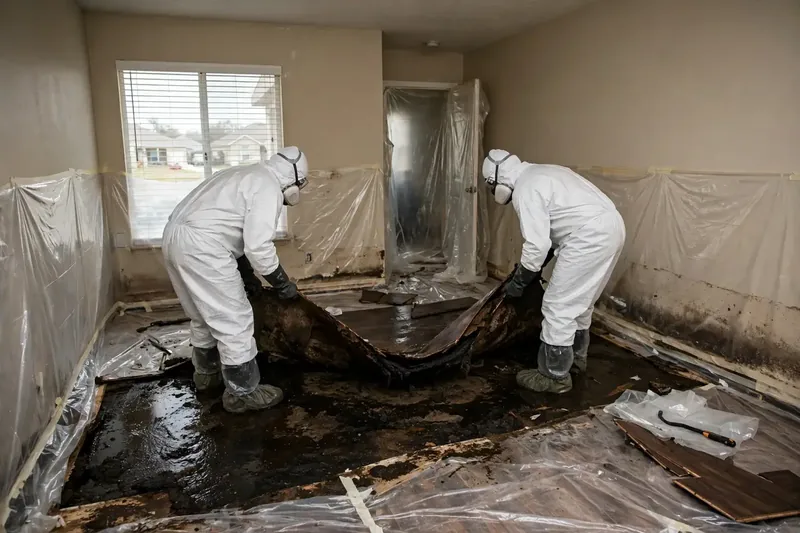
Technicians in protective gear removing sewage-affected flooring

Is Sewage Water Dangerous?

Yes. Sewage can contain bacteria, viruses and parasites that cause stomach illness and infections. Contamination doesn't stop at the visible water: it soaks into carpet, pad, drywall and wood, and fine particles can become airborne when wet materials dry or are disturbed. That's why Category 3 cleanup focuses on removing and disinfecting, not just drying.

Our Sewage Cleanup Process

  • Assess and contain. We confirm the line is cleared or water use is stopped, then isolate the affected area from the rest of the house with plastic barriers.
  • Protect the crew and your home. Technicians wear protective gear, and clean areas are kept separate from contaminated ones.
  • Extract the sewage water with dedicated equipment. See water extraction.
  • Remove contaminated porous materials such as carpet, pad, baseboards and the lower section of drywall, bagged and disposed of properly.
  • Clean every surface the water touched: floors, wall framing, cabinets and fixtures.
  • Disinfect with an antimicrobial treatment after cleaning.
  • Dry the structure with dehumidifiers and air movers; see structural drying.
  • Verify and document with moisture readings, photos and a list of everything removed.
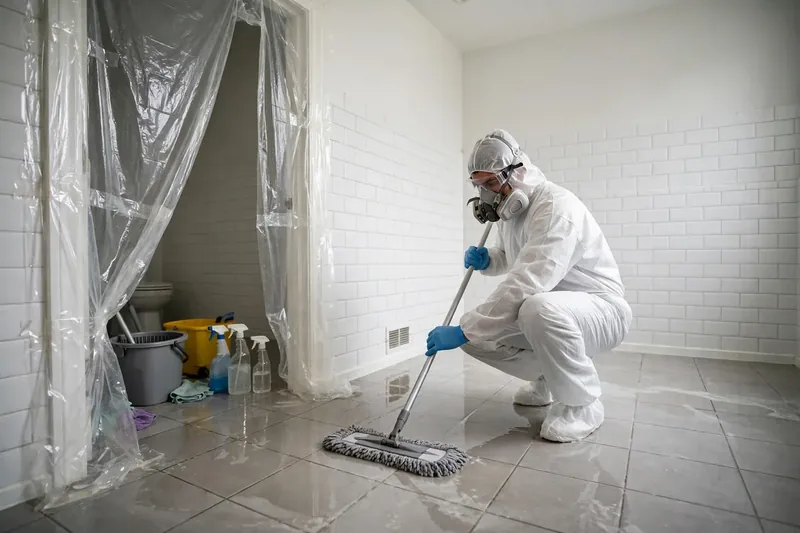
Technician in protective gear mopping a cleaned bathroom tile floor inside a contained work area

What Has to Be Thrown Away After Sewage?

Anything porous that sewage soaked into generally can't be made safe again and should be removed. Hard, non-porous items can usually be cleaned and disinfected.

Photograph items before disposal; your insurance company may want a record. A contents pack-out can separate clean belongings from contaminated ones.

ItemAfter sewage contact
Carpet and carpet padRemoved and discarded
Drywall and insulation that got wetRemoved at least 2 feet above the water line, usually more
Upholstered furniture, mattressesUsually discarded
Particleboard cabinets and baseboardsUsually discarded
Solid wood furnitureSometimes cleanable; inspect closely
Tile, stone, sealed concreteCleaned and disinfected
Food, medicine, cosmetics touched by the waterDiscarded
Clothing and linensProfessional cleaning or discard, depending on the item

Does Insurance Cover Sewage Backup?

Many standard homeowners policies exclude sewer and drain backup unless you've added a water backup endorsement. A toilet overflow from a supply problem may be treated differently from a backup out of the drain. Policies vary, so check your declarations page or ask your agent. We document the cause, the affected areas and every material removed. Our guide to sudden vs. gradual water damage in Texas covers how timing and cause affect claims.

How to Prevent Sewage Backups

  • Don't flush wipes, paper towels or feminine products, even ones labeled flushable
  • Don't pour grease down kitchen drains
  • Have older cast iron or clay lines camera-inspected, especially with large trees in the yard
  • Know where your outdoor cleanout is so a plumber can clear the line quickly
  • Ask your plumber about a backwater valve if backups repeat
  • Ask your insurance agent about a water backup endorsement

Sewage Cleanup Across Plano and Nearby Cities

Also West Plano, Allen, Frisco, McKinney, Garland and Wylie. See water damage restoration in Plano for every service.

  • East Plano and Downtown: older cast iron and clay lines under mature trees
  • Central Plano: 1970s and 1980s homes with original drains
  • Richardson: older neighborhoods and multi-unit buildings

Sewage Cleanup FAQs

Sewage in Your Home? Call Now

Stay out of the area and call (972) 945-2118. We'll contain it, clean it and make the space safe again.