Water Damage Restoration PlanoPlano, TX(972) 945-2118

Does Texas Homeowners Insurance Cover Water Damage? Sudden vs. Gradual Explained

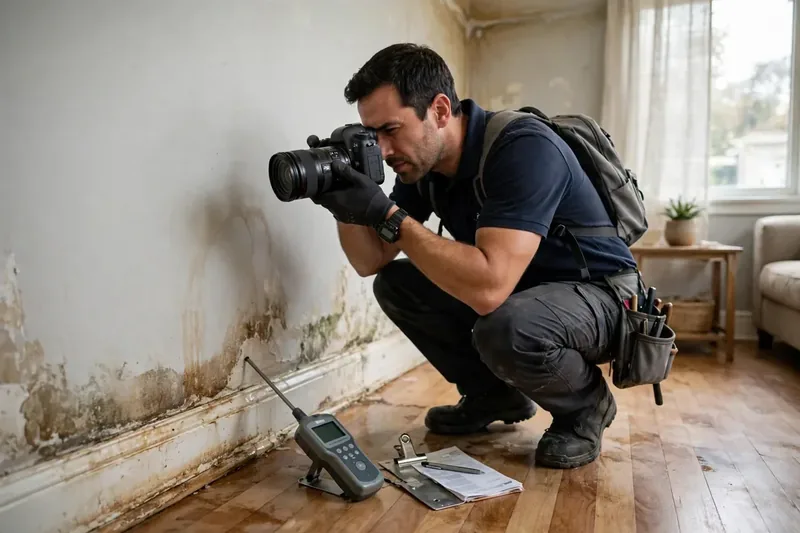
Technician photographing water damage in a room
  • Local technicians
  • Written scope
  • Moisture monitoring
  • 24/7 emergency response

Most Texas homeowners policies cover water damage that is sudden and accidental, like a pipe that bursts or a water heater that fails, and exclude damage from slow leaks over time, rising floodwater, and often sewer backups unless you've added coverage. The cause of the water and how long it went on usually decide the claim. This guide explains the main categories in plain terms. It's general information, not legal or insurance advice; your own policy is what counts.

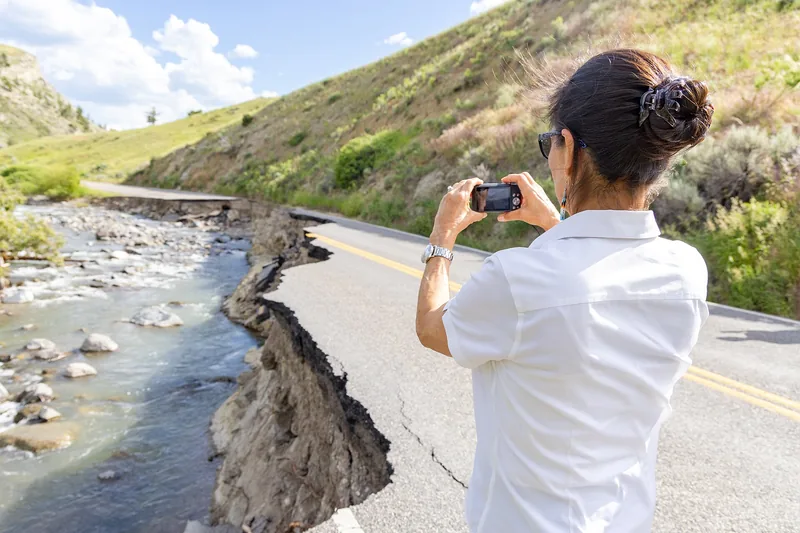
Person photographing flood damage to a roadside

The Key Distinction: Sudden vs. Gradual

The line isn't always clear. A slow leak that suddenly caused a ceiling to collapse, or a hidden leak you had no way of seeing, can be treated differently from one that was visible for months. Read your policy's water damage and exclusion sections carefully.

Sudden and accidentalGradual or long-term
What it meansWater released quickly and unexpectedlyLeaking or seeping over weeks or months
Typical examplesBurst pipe, broken supply line, failed water heater, washer hose burstSlow drip under a sink, long-running shower leak, ongoing roof seepage
How policies often treat itOften covered, minus your deductibleOften excluded as wear, maintenance or repeated seepage
What helps your casePrompt reporting and documentationShowing when you discovered it and that you acted quickly

How Policies Usually Treat Common Water Losses

Type of water damageTypical treatmentWhat to check
Burst or frozen pipeOften covered as suddenAny condition about keeping the home heated when away
Water heater failureResulting water damage often covered; the heater itself usually isn'tSudden failure vs. long-term leak
Slab leakWater damage and sometimes access (tear-out) may be covered; the pipe repair often isn'tWhether your policy covers tear-out to reach the pipe
Appliance leakSudden failures often covered; slow leaks often excludedHow long it leaked
Roof leak from hail or windOften covered under wind and hailYour wind and hail deductible, which may be a percentage
Roof leak from age or wearOften excludedRoof age and maintenance
Sewer or drain backupOften excluded unless you have a water backup endorsementYour endorsements
Flood from outsideUsually excluded from homeowners policiesSeparate flood policy (for example, NFIP)
MoldOften limited or excludedMold sublimits in your policy

Flood Is Different

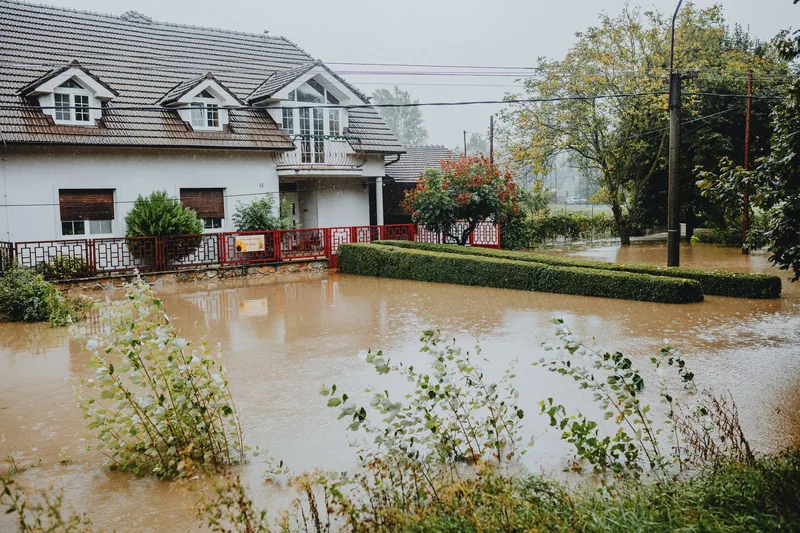
In insurance terms, flood generally means water that rises from outside and enters the home, like storm runoff or overflowing creeks. Standard homeowners policies usually exclude it. Flood coverage typically comes from a separate flood policy through the National Flood Insurance Program or a private insurer, often with a waiting period before it takes effect. Rain that enters through a hail-damaged roof isn't usually considered flood; it's treated as wind or hail damage.

Suburban house surrounded by floodwaters

Your Duty to Prevent Further Damage

Most homeowners policies expect you to take reasonable steps to protect your property from more damage after a loss. In practice that means stopping the water, getting it out, and starting drying promptly, while keeping records of what you did. Waiting days to deal with a leak can give an insurer a reason to deny the part of the damage that happened after you knew about it.

Starting water mitigation quickly does two things: it limits the damage, and it creates a documented record of what was wet and what was done.

How to File a Water Damage Claim

Our guide to what to do in the first hour after water damage covers steps 1 and 2 in detail.

  • Stop the water and make the area safe.
  • Document everything with photos and video before cleanup: the source, every room, the water line, damaged belongings.
  • Call your insurance company or agent promptly to report the loss and get a claim number.
  • Start mitigation. Don't wait for the adjuster to begin drying; keep damaged items and removed materials, or photos of them, until the adjuster says otherwise.
  • Keep receipts for emergency repairs, equipment, hotel stays or meals if you can't stay home.
  • Meet the adjuster with your photos, moisture readings and the mitigation documentation.
  • Review the estimate line by line, and ask questions about anything that doesn't match what happened.

What Documentation Helps a Claim

DocumentWhy it matters
Photos and video of the source and every roomShows the cause and the extent before cleanup
The date and time you discovered the waterHelps show the loss was sudden and reported promptly
Plumber's or HVAC tech's invoice naming the causeIndependent record of what failed
Moisture map and daily drying logsProves what was wet and when it was dry
List of removed materials with photosSupports the scope of rebuild
Contents inventorySupports your personal property claim
Receipts for living expensesSupports additional living expense coverage, if you have it

Additional Living Expenses

If your home is unlivable during repairs, many policies include additional living expense coverage, often called ALE or loss of use. It can help pay for a hotel or rental and extra costs like meals above your normal spending. Check your policy limits and keep every receipt.

Texas Resources

The Texas Department of Insurance (TDI) publishes consumer guides on homeowners coverage, the claims process and your rights, and handles consumer complaints about insurers. Texas law also sets timelines for insurers to acknowledge, investigate and pay claims. If you have questions about your rights, TDI is the place to start.

What a Water Damage Company Can and Can't Do

A water damage company can document the loss thoroughly: photos, moisture readings, equipment logs and an itemized scope of mitigation work. That record helps any claim. What a restoration company shouldn't do is negotiate your claim or tell you what your policy pays. Those conversations are between you and your insurer. Be cautious of anyone asking you to sign over your claim or promising your insurance will cover everything.

Frequently Asked Questions

Need Documentation for Your Claim?

We document every job with photos, daily moisture readings and an itemized scope. Call (972) 945-2118, or see our Plano water damage restoration page.