Water Damage Restoration PlanoPlano, TX(972) 945-2118

Wall Cavity Drying and Flood Cuts in Plano, TX

Water that reaches a wall doesn't stay at the floor. Drywall wicks it upward, and water runs into the hollow space behind it, where fans can't reach. Sometimes the wall can be dried in place through small holes hidden behind the baseboard. Sometimes a short strip of drywall has to come out. We measure how high the water climbed and choose the option that dries your Plano home properly with the least tear-out.

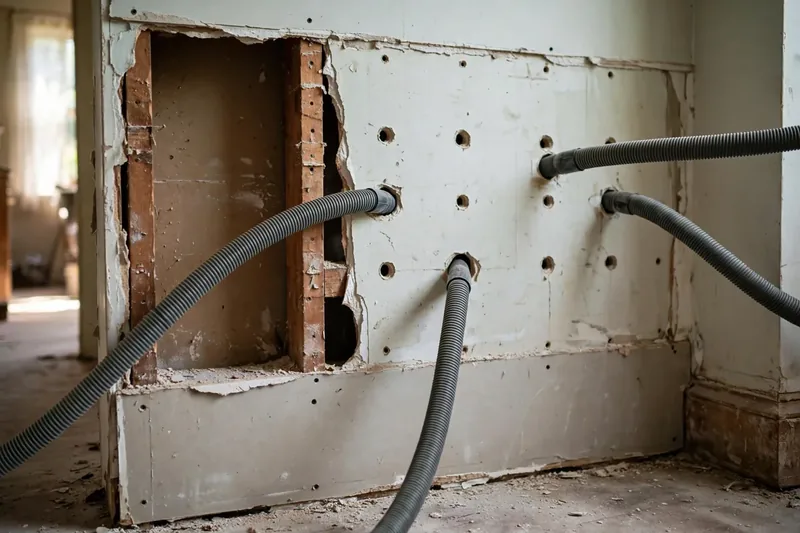
Wall cavity drying with dry air hoses through small holes
  • Local technicians
  • Written scope
  • Moisture monitoring
  • 24/7 emergency response

How Water Moves Inside a Wall

Drywall is gypsum wrapped in paper, and it pulls water upward like a wick, often 12 inches or more above the visible water line. Behind it is the wall cavity: wood studs, the bottom plate on the floor, and on exterior walls, insulation. Water that gets into the cavity sits on the bottom plate and soaks into the insulation, out of reach of air moving in the room. That's why a wall can look dry on the surface while the inside is still wet.

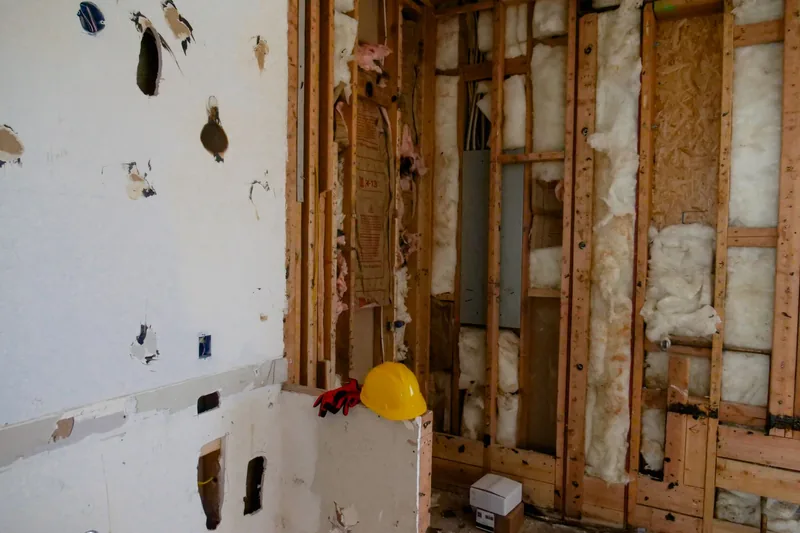
Interior room under reconstruction with exposed walls

Dry in Place or Flood Cut?

The choice depends on the type of water, what's inside the wall, and how long it's been wet.

SituationUsuallyWhy
Clean water, interior wall, no insulation, caught earlyDry in place through holes behind the baseboardDrywall and studs can dry with forced air
Clean water, exterior wall with insulationFlood cut and remove wet insulationWet insulation won't dry and holds water against the wall
Gray water (washer, dishwasher discharge)Often a short flood cutCleaning is needed inside the cavity
Sewage or flood water from outsideFlood cut, typically at least 2 feet above the wet lineContaminated drywall and insulation must be removed
Wet for many days, musty smell or visible moldRemove affected drywallMold growth is likely inside
Vinyl wallpaper or oil-based paint on the wallOften a flood cutThese finishes trap moisture in the drywall

What Is a Flood Cut?

A flood cut is a straight horizontal cut along a wall, a set height above the floor, removing the wet lower section of drywall in one clean strip. It opens the cavity for drying and cleaning, removes wet insulation, and leaves a straight line that's easy for a contractor to patch. The height depends on how far water wicked up and what kind of water it was.

Signs Water Got Into Your Walls

  • Baseboards that are swollen, split or pulling away
  • Paint bubbling or peeling near the floor
  • Drywall that feels soft or crumbles when pressed
  • A musty smell near one wall
  • Stains or a visible tide line on the wall
  • Flooring along the wall that stays damp

How We Dry Walls

  • Measure how high the water went with moisture meters, checking every few inches up the wall and along its length; see moisture mapping.
  • Remove baseboards carefully so they can be reused if they're solid wood.
  • Choose the method: drill small holes in the drywall hidden behind where the baseboard sits, or make a flood cut at the right height.
  • Remove wet insulation from exterior walls.
  • Clean the cavity if the water was gray or black.
  • Force dry air in through the holes with a cavity drying system, or let room air reach the opened cavity, while dehumidifiers dry the room; see structural drying.
  • Check the studs and bottom plate daily until they match readings from dry walls in the same house.
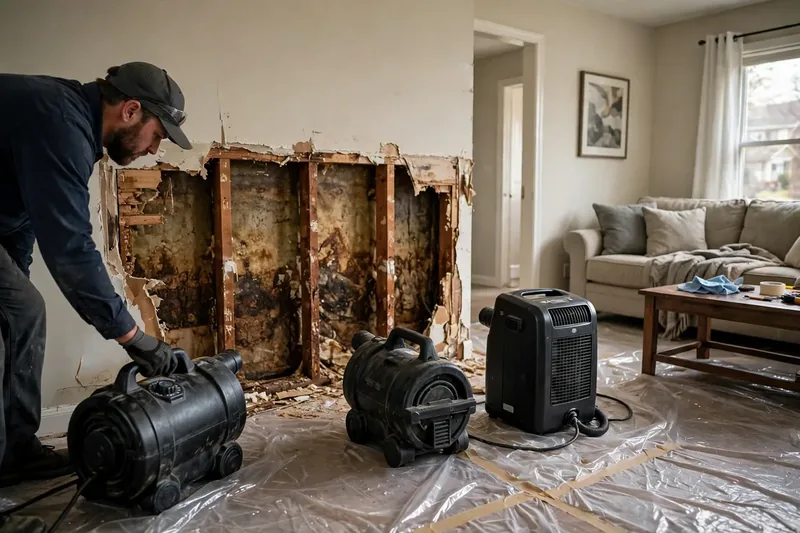
Air movers and a dehumidifier drying an opened living-room wall while a technician adjusts equipment

Exterior Walls and Insulation

Exterior walls in Plano homes have insulation in the cavity and brick or siding on the outside. Insulation that gets wet won't dry properly in place and holds water against the studs and drywall. That's why exterior walls more often need a flood cut than interior walls. Where pipes run in exterior walls, as is common behind kitchen and bathroom sinks, a burst pipe can soak the insulation from inside the wall before any water reaches the floor.

Why Drying in Place Saves Money

When drying in place won't work, a flood cut is still far less work than replacing full sheets of drywall.

Dry in placeFlood cut and rebuild
Drywall replacedNone, only small holes hidden by the baseboardA strip along the bottom of the wall
Repair afterwardReinstall baseboardPatch, tape, texture and paint
TimeDrying onlyDrying plus rebuild days
Best whenClean water, interior walls, caught earlyInsulated walls, dirty water, long exposure

Wall Drying Across Plano

Also Allen, Richardson and Frisco. See water damage restoration in Plano for every service.

Wall Cavity Drying FAQs

Wet Walls? Call Before They're Torn Out

Call (972) 945-2118. We'll measure how far the water went and dry the walls with as little tear-out as possible.